What is Equitherapy?
Therapeutic horseback riding and psychological support as a specialized form of Animal-Mediated Therapy.
Brochures & Documentation
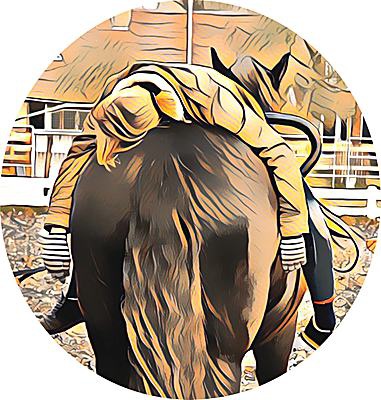
Definition & Etymology
Therapeutic Horseback Riding, a form of AMAT (Animal-Mediated Activity and Therapy)
Equus is Latin for horse, and therapy originates from Greek (the study of treating illnesses). Therapy also stands for bringing an end to undesirable conditions, healing, and providing support.
Equitherapy falls under the group of animal-mediated activities known as Animal Mediated Activities, Therapy and Interventions (AMAT). In this context, the animal fulfills an essential function in the process while ensuring it is never exploited or degraded into a mere object. AMAT activities strictly adhere to an ethical code regarding the treatment of both the therapy animal and the client.
.jpg)
.jpg)
.jpg)
.jpg)
.jpg)
.jpg)
.jpg)
.jpg)
.jpg)
.jpg)
.jpg)
.jpg)
.jpg)
.jpg)
.jpg)
.jpg)
.jpg)
.jpg)
.jpg)
.jpg)
.jpg)
.jpg)
.jpg)
.jpg)
.jpg)
.jpg)
.jpg)
.jpg)
.jpg)
.jpg)
.jpg)
.jpg)
.jpg)
.jpg)
.jpg)
.jpg)
.jpg)
.jpg)
.jpg)
The Unique Bond Between Human and Horse
It is no news to horse lovers that interacting with our equine partners can be far more than just a sporting or recreational pastime. Thanks to their advanced social skills, horses can sense what is going on inside us, helping us “come home to ourselves.” Consequently, horses can exert a powerful educational and grounding effect on children and young people.
While therapeutic riding for individuals with disabilities has long been popular in the Netherlands, equitherapy is still relatively young here. In German-speaking European countries (Germany, Austria, and Switzerland), therapeutic riding has a tradition spanning over 40 years and is successfully applied to children and adults alike.
Equitherapy cleverly utilizes riding, contact, and movement dialogue with and on the horse to achieve therapeutic effects on both physical and psychological levels. The horse acts as a “co-therapeut,” using its specific social, learning, and locomotive capabilities to systematically assist individuals facing psychological and/or physical challenges.
Who is Equitherapy For?
.JPG)
Depending on the professional background of the equitherapeut, target groups for orthopedagogical applications include: children with autism or developmental delays, hyperactive children, children experiencing social difficulties, traumatized children, attachment issues, and gifted children.
Additionally, it is applied to youths and adults dealing with depression, eating disorders, drug or addiction problems, within family and relationship therapy, in boarding schools, special education facilities, forensic psychiatric clinics, and care centers.
The Importance of Expertise and Quality Control
Therapy with horses can yield remarkable results, but it requires thorough professional competence. Equitherapists bear a heavy responsibility toward both their clients and their therapy horses. Beyond solid professional experience as a pedagogue or psychotherapist, the therapist must be able to expertly guide the horse-client combination, anticipate risks, and commit to continuous education (supervision and peer review).
The proliferation of self-proclaimed “horse whisperers” can be hazardous. Unlike Germany, Austria, and Switzerland, the Netherlands lacks a mandatory legal quality mark for equitherapy, though insurers increasingly look for certified professionals. Unsupervised self-experimentation can unearth deep psychological processes that may cause harm without expert containment.
The Dutch Foundation for Helping with Horses – Equitherapy SHP-E(NL)
To ensure quality control, research, and rigorous training, Dr. Ulrike Thiel initiated the Foundation for the Promotion of Therapeutic Riding on a Scientific Basis (SHP-E) in 2000. In collaboration with the European expert group FATP (Fachgruppe Ausbildungsträger einer Therapie mit dem Pferd), the foundation offers a recognized certification system and high-standard training programs. To date, over 50 therapists have successfully graduated.
The Term Equitherapy & The Triangular Relationship
Over 17 years ago, HippoCampus introduced the term Equitherapy in the Netherlands to draw a clear distinction from physical therapy with horses (*Hippotherapy*), classical riding, and the American EAT/EAA model (where the horse often functions merely as a tool). Internationally, equitherapy falls under Animal Mediated Assistance and Therapy (AMAT).
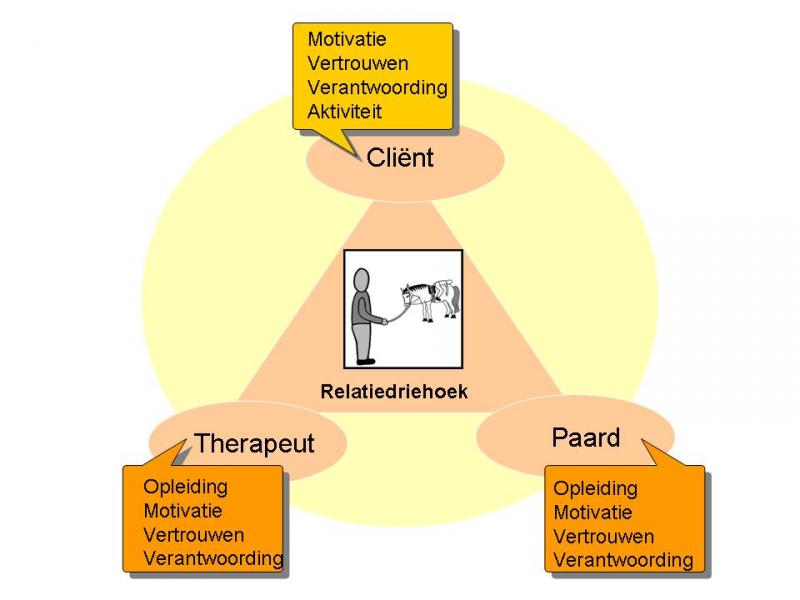
Therapy takes place within a structured triangular relationship between therapist, client, and horse. The horse acts not as a trained apparatus, but utilizes its natural herd instincts in a mutual movement dialogue with the client, professionally supervised and evaluated by the therapist.

Process Guidance & Animal Welfare
Due to the intensity of process guidance, heavy emphasis is placed on self-experience, peer review, and supervision. Because an equitherapeut operates from a primary core discipline (such as psychotherapy, pedagogy, or social work), they learn to seamlessly integrate the horse into this clinical framework.
This places high demands on the therapist's equestrian expertise and ensures animal welfare: horses must be able to live out their natural herd instincts in group housing to remain mentally balanced as co-therapists.
.jpg)
No part of this website may be reproduced, stored, or published without prior written permission from HippoCampus.